Basement Mold Removal in Fort Worth, TX
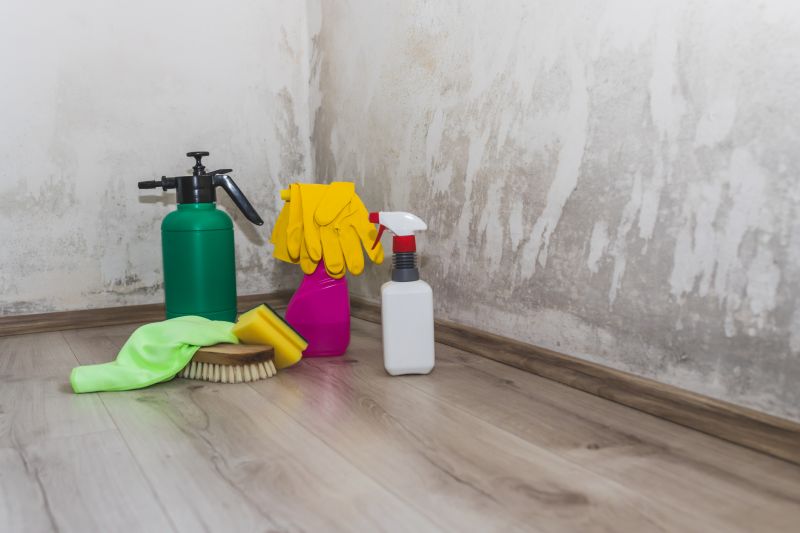
Basement mold removal services focus on identifying and eliminating mold growth in below-ground spaces of residential properties. These projects typically involve thorough inspections to detect mold presence, followed by targeted cleaning and treatment to remove mold colonies from walls, floors, and other surfaces. The process is designed to improve indoor air quality, prevent further mold development, and address underlying moisture issues that contribute to mold growth, ensuring a healthier environment for residents.
Property owners often inquire about the types of mold that can develop in basements, common causes of moisture buildup, and the steps involved in the removal process. Understanding the scope of work, including the potential need for moisture control or repairs to prevent future growth, helps homeowners make informed decisions. Clarifying what to expect during the remediation process and any necessary follow-up measures can also contribute to a more effective and lasting solution.
Many property owners in Fort Worth, TX look into Basement Mold Removal for repairs, replacements, upgrades, and appearance-related improvements.
Identifying Mold In Basements
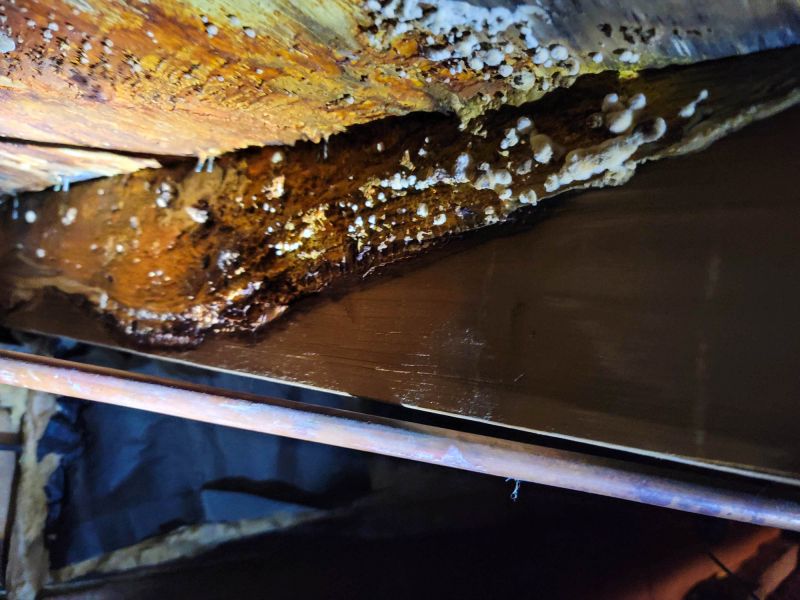
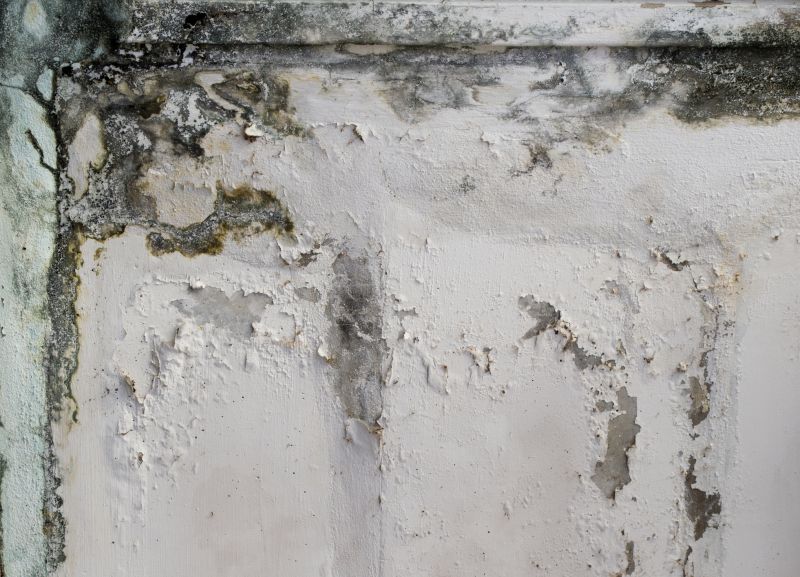
Signs of mold include musty odors and visible patches on walls or ceilings.
Health Risks Of Basement Mold
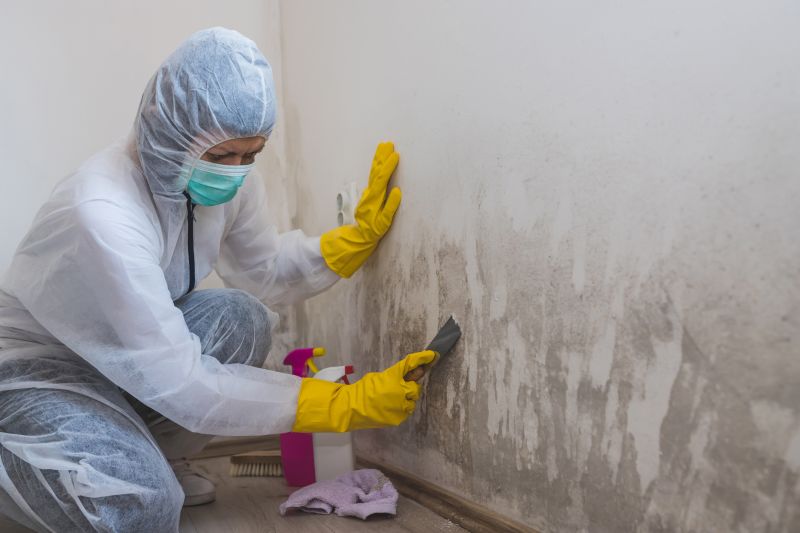
Exposure to mold can cause allergies, respiratory issues, and other health concerns.
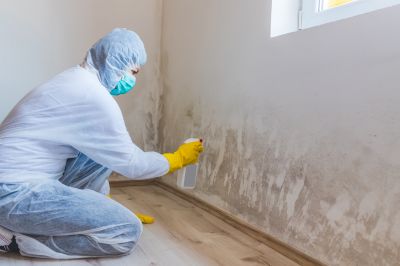
Preventing Future Mold Growth
Controlling humidity and fixing leaks are key steps to keep basements mold-free in fort worth, tx.
Basement Mold Removal in Fort Worth, TX

Basement mold removal services focus on identifying and eliminating mold growth in below-ground spaces of residential properties. These projects typically involve thorough inspections to detect mold presence, followed by targeted cleaning and treatment to remove mold colonies from walls, floors, and other surfaces. The process is designed to improve indoor air quality, prevent further mold development, and address underlying moisture issues that contribute to mold growth, ensuring a healthier environment for residents.
Property owners often inquire about the types of mold that can develop in basements, common causes of moisture buildup, and the steps involved in the removal process. Understanding the scope of work, including the potential need for moisture control or repairs to prevent future growth, helps homeowners make informed decisions. Clarifying what to expect during the remediation process and any necessary follow-up measures can also contribute to a more effective and lasting solution.
Many property owners in Fort Worth, TX look into Basement Mold Removal for repairs, replacements, upgrades, and appearance-related improvements.
Common Basement Mold Removal Jobs
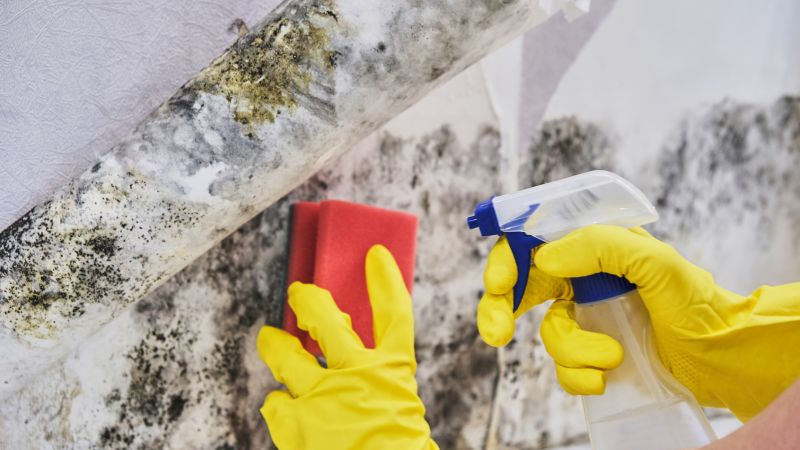
Basement Mold Removal - specialized cleaning to eliminate mold growth in basement areas.
Mold Inspection - thorough assessment to identify mold presence and sources of moisture.
Water Damage Repair - addressing leaks and excess moisture that contribute to mold development.
Mold Remediation - removal of mold colonies to improve indoor air quality and prevent future growth.
Ventilation Solutions - improving airflow to reduce humidity and inhibit mold reformation.
Preventative Treatments - applying treatments to inhibit mold spores from returning after cleanup.
Basement Mold Removal Questions
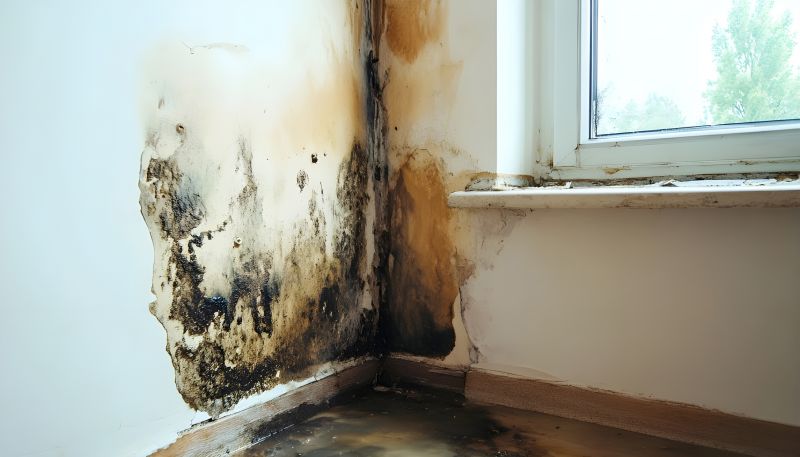
What causes mold growth in basements? Mold in basements typically results from excess moisture, humidity, or water leaks that create a damp environment.
How can I tell if I have mold in my basement? Signs include musty odors, visible spots or patches, and increased allergy or respiratory symptoms indoors.
Is mold removal safe for my home? Proper removal involves controlled cleaning and moisture control to prevent mold from returning and protect indoor air quality.
What are common areas where mold develops in basements? Mold often grows on walls, floors, around windows, and on stored items in damp or poorly ventilated areas.
Request Basement Mold Removal in Fort Worth, TX
Use the quote form on this page to share the basics of your project and request more information for the type of work you need.